
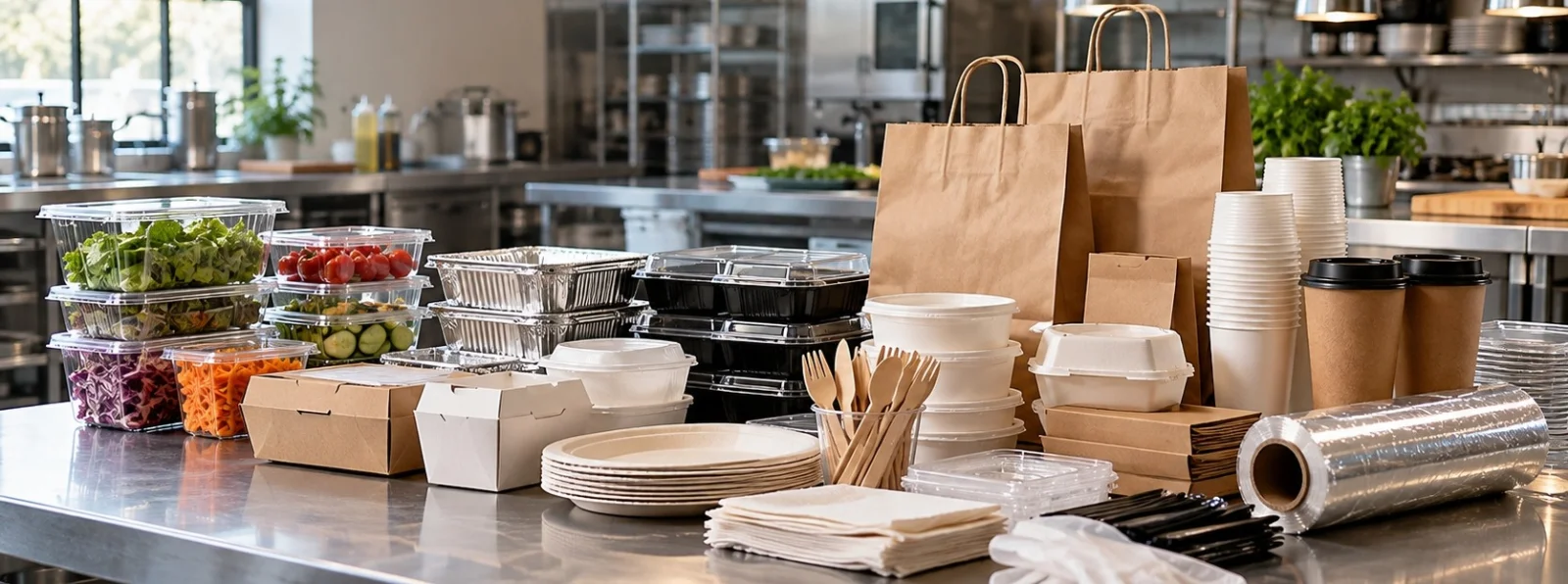
Restaurant Supply Checklist: Essential Supplies Every New Restaurant Needs
Opening a new restaurant is an exciting undertaking, but getting the right supplies in place can quickly become overwhelming. From food preparation and storage to takeout packaging, cleaning products, and everyday disposable items, a restaurant depends on hundreds of individual supplies to keep operations running smoothly.
A well-planned restaurant supply checklist can help you avoid last-minute purchases, unnecessary expenses, and interruptions during service. Whether you're opening a full-service restaurant, café, food truck, catering business, or takeout operation, organizing your supplies before opening day can make a significant difference.
Here's a practical checklist of the essential restaurant supplies you should consider when setting up your business.
1. Food Preparation and Handling Supplies
Efficient food preparation starts with having the right tools and disposable supplies readily available. Depending on your menu and kitchen setup, your requirements may vary, but several items are common across most food-service operations.
Consider stocking supplies such as:
-
Food preparation containers
-
Food storage containers
-
Disposable gloves
-
Food wrap
-
Aluminum foil
-
Parchment and related food-service products
-
Cutting and preparation accessories
-
Portion cups and containers
-
Food handling supplies
Disposable gloves are particularly important for maintaining proper food-handling practices while also making kitchen tasks more convenient. Keeping multiple sizes available can help ensure that employees have properly fitting gloves when needed.
2. Food Storage and Wrapping Supplies
Proper food storage helps restaurants maintain organization and reduce unnecessary food waste.
Food-service businesses commonly need products such as food containers, plastic wrap, aluminum foil, and other protective packaging materials for storing prepared ingredients and food products.
When choosing storage supplies, consider:
-
The type of food being stored
-
Container size and capacity
-
Temperature requirements
-
Stackability
-
Ease of labeling and organization
-
Durability and reusability
-
Compatibility with your storage equipment
Buying commonly used storage and wrapping supplies in appropriate quantities can also help prevent shortages during busy operating periods.
3. Takeout and Food Packaging Containers
For restaurants offering takeout, delivery, or catering, food packaging is one of the most important parts of the supply inventory.
The right container should protect the food while making transportation easier for both employees and customers.
Depending on your menu, you may need:
-
Hinged or clamshell containers
-
Deli containers
-
Soup containers
-
Clear food containers
-
Aluminum food trays
-
Foam food containers
-
Portion cups
-
Compartment containers
-
Matching lids
Different foods require different packaging. A container that works well for a dry entrée may not be suitable for soup, sauces, or foods that generate steam.
Consider the temperature, moisture, portion size, presentation, and transportation requirements of each menu item before selecting packaging.
4. Cups, Lids, and Beverage Supplies
Beverages are an important part of most restaurant operations, and having the right cup and lid combinations can make service faster and more convenient.
Depending on your beverage menu, you may need supplies for:
-
Soft drinks
-
Water
-
Iced tea
-
Coffee
-
Specialty beverages
-
Smoothies
-
Takeout drinks
Don't forget related items such as straws, stirrers, and other beverage accessories.
For takeaway beverages, make sure the lid fits securely and is appropriate for the type of drink being served. A good cup-and-lid combination should minimize spills while remaining easy for customers to use.
5. Plates, Bowls, and Disposable Tableware
Restaurants that provide disposable tableware need to consider both functionality and presentation.
Common items include:
-
Disposable plates
-
Bowls
-
Food trays
-
Disposable cutlery
-
Serving accessories
The right choice depends on your menu, serving style, customer expectations, and whether the products are intended for dine-in, takeout, catering, or events.
For businesses serving heavier foods, sturdier plates and cutlery may be worth the additional cost because they can improve the overall customer experience.
6. Bags for Takeout and Delivery
A complete takeout packaging system doesn't stop at the food container.
Restaurants may also need bags for carrying meals, beverages, bakery products, and other items.
Depending on your operation, consider:
-
Paper bags
-
Plastic bags
-
Merchandise bags
-
Food-service bags
-
Bags suitable for catering orders
Choose bag sizes according to your typical order volume and packaging requirements. Keeping several sizes available can be more practical than relying on a single universal bag.
7. Napkins and Dining Accessories
Small items are easy to overlook when preparing for a restaurant opening, but they are used constantly during daily operations.
Make sure your supply list accounts for items such as:
-
Napkins
-
Straws
-
Stirrers
-
Disposable cutlery
-
Portion cups
-
Condiment accessories
These products are relatively inexpensive individually, but running out of them during a busy shift can create unnecessary operational problems.
8. Cleaning and Janitorial Supplies
A restaurant cannot operate efficiently without an adequate supply of cleaning and janitorial products.
Your inventory should cover the needs of the kitchen, dining area, restrooms, storage areas, and other parts of the facility.
Depending on your operation, this may include:
-
Cleaning supplies
-
Trash bags
-
Disposable gloves
-
Paper products
-
Janitorial accessories
-
Food-service cleaning products
It's useful to establish a regular restocking system for cleaning supplies rather than waiting until products are nearly depleted.
9. Bakery and Specialty Food-Service Supplies
Restaurants with bakeries, dessert menus, catering operations, or specialty food programs may require additional supplies beyond the standard restaurant inventory.
Examples can include:
-
Bakery packaging
-
Specialty food containers
-
Cake and pastry packaging
-
Food trays
-
Specialty bags
-
Additional disposable serving products
The exact requirements will depend heavily on your menu and business model, so these items should be added to your checklist based on the products you prepare and serve.
10. Eco-Friendly Restaurant Supplies
Sustainability has become an increasingly important consideration for many food-service businesses.
Restaurants looking to reduce their use of traditional disposable materials can consider eco-friendly alternatives where practical.
When evaluating environmentally conscious products, look beyond the label and consider the product's actual use in your operation. The right choice should still provide the durability, functionality, and performance your employees and customers need.
For some restaurants, using eco-friendly packaging across selected menu items may be a practical way to incorporate more sustainable products without changing the entire supply system at once.
11. Don't Forget the Small Essentials
One of the biggest mistakes when opening a restaurant is focusing only on major equipment and forgetting the everyday consumables that employees use constantly.
Before opening, review your supply list for smaller items such as:
-
Portion cups
-
Straws
-
Stirrers
-
Napkins
-
Gloves
-
Food wrap
-
Bags
-
Disposable cutlery
-
Lids
-
Cleaning products
These products may not seem significant individually, but shortages can quickly affect service.
12. Create a Restaurant Supply Purchasing Plan
Once you've identified the supplies you need, the next step is to organize your purchasing process.
Instead of simply ordering everything at once, divide your supplies into categories based on how frequently they are used.
High-Usage Supplies:
These are products that may need frequent replenishment, such as containers, cups, lids, napkins, gloves, bags, and cutlery.
Regular-Use Supplies:
These products may be reordered less frequently but should still be monitored regularly.
Specialty Supplies:
These are products associated with particular menu items or services and may have lower usage rates.
A simple inventory system can help you determine how quickly each product is being consumed and establish appropriate reorder points.
13. Buying Restaurant Supplies in Bulk
For many restaurants and food-service businesses, purchasing commonly used supplies in larger quantities can simplify inventory management and potentially reduce the per-unit cost.
However, buying in bulk isn't automatically the best choice for every product.
Before placing a large order, consider:
-
Available storage space
-
Product shelf life
-
Consumption rate
-
Cash-flow requirements
-
Per-unit pricing
-
Delivery schedules
-
Seasonal changes in demand
The goal isn't simply to buy the largest possible quantity. The goal is to maintain enough inventory to support operations without tying up unnecessary capital or storage space.
Restaurant Supply Checklist
Before opening your doors, review your inventory across these major categories:
-
Food preparation supplies
-
Food storage supplies
-
Food wrap and packaging materials
-
Takeout containers
-
Cups and lids
-
Plates and bowls
-
Disposable cutlery
-
Bags
-
Napkins
-
Straws and stirrers
-
Portion cups
-
Disposable gloves
-
Cleaning and janitorial supplies
-
Bakery and specialty supplies
-
Eco-friendly alternatives
Your exact requirements will depend on your menu, service model, customer volume, and facility.
Build Your Supply List Before Opening Day
Restaurant supplies are an ongoing operating requirement, not simply a one-time expense associated with opening a business. A well-organized purchasing system can help you maintain consistent inventory, reduce unnecessary emergency orders, and keep your team focused on serving customers.
Start by identifying the products your operation uses every day. Then estimate your average consumption, determine appropriate reorder levels, and work with a reliable restaurant supply partner that can help you maintain a consistent inventory.
Whether you're preparing to open a new restaurant or looking to streamline purchasing for an existing food-service operation, having a clear supply checklist is a simple step that can make day-to-day operations much easier.